Stay warm and dry in the forest without overheating. Learn how to layer clothing for cold, damp woods, avoid sweat chill, and fix the most common mistakes.
Practical tick prevention for a forest lodge: cover up, treat clothing, do daily checks, and remove ticks safely to lower Lyme disease risk.
A forest lodge sits inside a living habitat, not beside one. The animals, plants, and waterways around it were there long before the building, and small everyday choices decide whether they stay healthy. Treading lightly is not complicated, but it
Master layering for damp forest cold: a wicking base, insulating mid-layer, and weatherproof shell keep you warm and dry. Avoid the cotton trap.
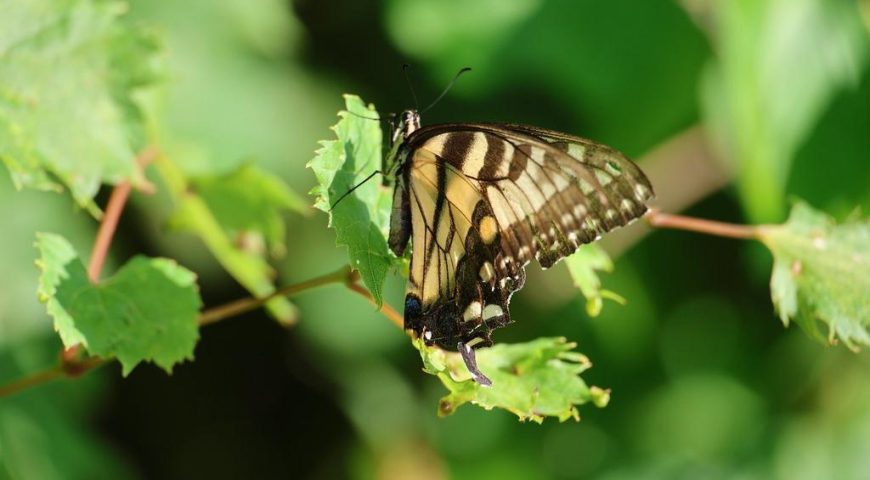
People often describe a forest stay as restful without quite knowing why. It is more than the absence of traffic or screens. Something about being among trees genuinely changes how the body and mind behave, and the effect has been

Keep bears, rodents, and raccoons out of your food with proven storage methods for a forest lodge, plus the common mistakes that quietly invite wildlife in.

Learn how to keep a wood stove burning all night with the right wood, coal bed, and air control – plus common mistakes to avoid at your lodge.
A forest does not go quiet at night. It simply changes shift. The birds that filled the daytime air give way to a different cast of creatures, and learning to notice them turns a dark walk into one of the
Packing for a forest lodge is different from packing for a hotel in town. The setting is quieter, the weather changes faster, and the nearest shop is usually a long drive away. A little planning goes a long way toward

A practical guide to drying wet boots, jackets, and gloves at a forest lodge without a dryer, so your gear is ready by morning without damaging it.

A practical packing guide for a remote forest lodge with no resupply – what to bring, what to skip, and the layered system that keeps your pack light.
How to source, treat, and store safe drinking water at a remote forest lodge, which treatment method fits your situation, and the mistakes that get people sick.

A field-tested guide to wildlife photography near your forest lodge: how to get close ethically, avoid spooking animals, and come home with real, sharp shots.
Learn a three-layer system for cold forest mornings so you stay warm at the lodge without overheating on the trail. Clear steps, real examples, common mistakes.

Learn how to run a wood stove overnight in your lodge safely and efficiently, keep heat till morning, and avoid the common banking mistakes that waste fuel.

A wood-burning stove is only as good as the wood you feed it. Arrive at the lodge with a trailer of freshly cut logs and you will spend the evening fighting a smoky, hissing fire that gives off more frustration

There are few better places to meet the birds than a quiet lodge at first light. The forest wakes in a particular order, voice by voice, and if you are up early enough with a mug of something warm and
Comfort on a full day in the forest has almost nothing to do with owning expensive gear and almost everything to do with managing your own body heat. The temperature you feel is a moving target: you generate a furnace
A lodge kitchen is an exercise in doing more with less. There may be two rings and a kettle rather than a full range, a single sharp knife rather than a drawer of gadgets, and a modest cold box instead
Stop damp and condensation in a forest cabin with this practical guide – the real causes, ventilation and heating fixes, and mistakes that make it worse.

Learn how to keep a wood stove burning overnight at your lodge – safe banking, airflow, and fuel choices for steady warmth until morning without risk.